Bilateral Hysterosalpingo Oophorectomy: A Deep Dive into Women's Health
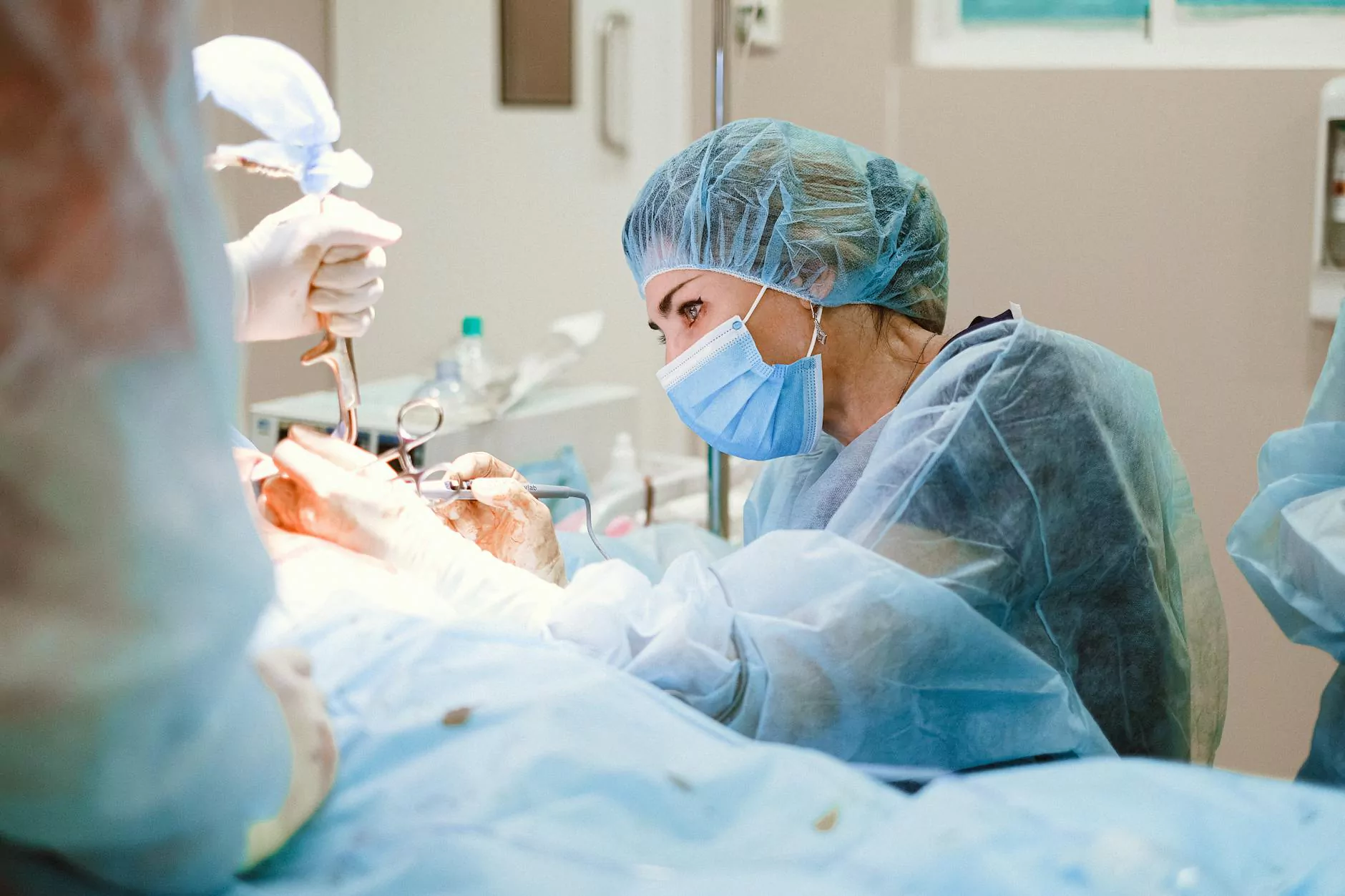
When it comes to advancing the field of women's health, few procedures are as significant as bilateral hysterosalpingo oophorectomy. This surgical technique, which involves the removal of the uterus, fallopian tubes, and ovaries, is often performed for various medical indications, primarily aimed at treating conditions that threaten women's reproductive health.
Understanding Bilateral Hysterosalpingo Oophorectomy
The term bilateral hysterosalpingo oophorectomy may seem daunting, but breaking it down can help demystify this complex procedure:
- Bilateral: Refers to both sides, indicating that both ovaries and fallopian tubes are involved.
- Hysterectomy: The removal of the uterus.
- Salpingectomy: The removal of the fallopian tubes.
- Oophorectomy: The removal of the ovaries.
This procedure is typically performed under general anesthesia and can be conducted via traditional open surgery or minimally invasive laparoscopic techniques, which offer reduced recovery times and lower postoperative pain.
Indications for the Procedure
Various medical conditions may necessitate a bilateral hysterosalpingo oophorectomy:
- Endometriosis: This painful condition occurs when tissue similar to the uterine lining grows outside the uterus, leading to severe discomfort and complications.
- Ovarian Cancer: In cases where cancer is diagnosed or suspected, this procedure can be crucial in preventing further spread.
- Uterine Fibroids: Noncancerous growths in the uterus that can cause heavy bleeding, pain, and complications during pregnancy.
- Pelvic Inflammatory Disease (PID): Severe cases may require comprehensive surgical intervention to prevent recurring infections.
- Prophylactic Reasons: Women with a strong family history of certain cancers, such as breast or ovarian cancer, may choose this surgery as a preventive measure.
Benefits of Bilateral Hysterosalpingo Oophorectomy
Many patients wonder about the benefits associated with undergoing bilateral hysterosalpingo oophorectomy. Below are some important advantages:
- Reduction of Cancer Risk: For those at high genetic risk, removing ovaries and fallopian tubes can significantly lower the risk of developing ovarian and fallopian tube cancers.
- Pain Relief: Patients suffering from severe endometriosis or fibroids often experience life-altering pain. This procedure can provide substantial relief.
- Improved Quality of Life: Many women report an improvement in their overall quality of life post-surgery, with fewer menstrual-related issues and pain.
- Minimally Invasive Options: The laparoscopic approach allows for smaller incisions, reduced scarring, and quicker recovery times.
Potential Risks and Considerations
While the benefits are substantial, it is also crucial to acknowledge the potential risks:
- Anesthesia Risks: As with all surgical procedures, there are risks associated with anesthesia, which should be discussed with your healthcare team.
- Infection: Any surgical procedure carries a risk of infection at the incision site or internally.
- Hormonal Changes: Removal of the ovaries may lead to immediate menopause or hormonal imbalances, which can have various effects on health and well-being.
- Emotional Effects: Many women experience emotional changes post-surgery, which may require counseling and support.
The Surgical Process
Understanding what to expect during and after the procedure can significantly abate anxiety. Here’s a comprehensive overview of the surgical process:
Preoperative Preparation
Prior to undergoing bilateral hysterosalpingo oophorectomy, you will likely have a thorough discussion with your doctor, including:
- Your complete medical history.
- Any allergies or medication you are currently taking.
- Preoperative tests such as blood work or imaging studies.
- Instructions for fasting and medication management leading up to the surgery.
During the Surgery
The procedure itself will usually look as follows:
- The patient is placed under general anesthesia.
- A laparoscope (a small camera) and surgical instruments are inserted through small incisions in the abdomen.
- The surgeon carefully removes the uterus, fallopian tubes, and ovaries.
- Once completed, the incisions are closed with sutures or staples.
Postoperative Recovery
Following the surgery, patients will generally experience:
- Pain Management: Pain medications will be prescribed to manage discomfort.
- Follow-up Care: Regular follow-ups to monitor recovery and assess any concerns will be scheduled.
- Activity Restrictions: Physical activity may be limited for several weeks post-surgery to ensure proper healing.
- Hormonal Management: Hormone replacement therapy may be discussed if the ovaries have been removed.
Emotional and Psychological Considerations
The journey through bilateral hysterosalpingo oophorectomy is not just physical; it can have profound emotional and psychological implications. Women may experience feelings of loss related to their reproductive capabilities.
It is essential to address these feelings through counseling and support. Joining women’s support groups can also help in sharing experiences and coping strategies.
Expert Insights from Dr. Seckin
As a respected practitioner in the field of obstetrics and gynecology, Dr. Seckin emphasizes the importance of individualized patient care:
"Each woman's experience and health journey is unique. It is crucial to tailor the surgical approach to fit their specific medical needs and personal circumstances."
Dr. Seckin advocates for informed decision-making, ensuring that women understand both the advantages and risks associated with bilateral hysterosalpingo oophorectomy.
Conclusion
In summary, bilateral hysterosalpingo oophorectomy stands as a vital procedure within the domain of women's health, providing necessary medical interventions for a variety of conditions while also offering women the opportunity for enhanced quality of life.
If you or a loved one are considering this procedure, consulting with a qualified healthcare professional is imperative. With advancements in medical technology and patient care, the outcomes of this surgery continue to improve, paving the way for better health and well-being for women everywhere.
For more information and expert consultations, visit drseckin.com.