The Importance of the Valve Body of an Automatic Transmission
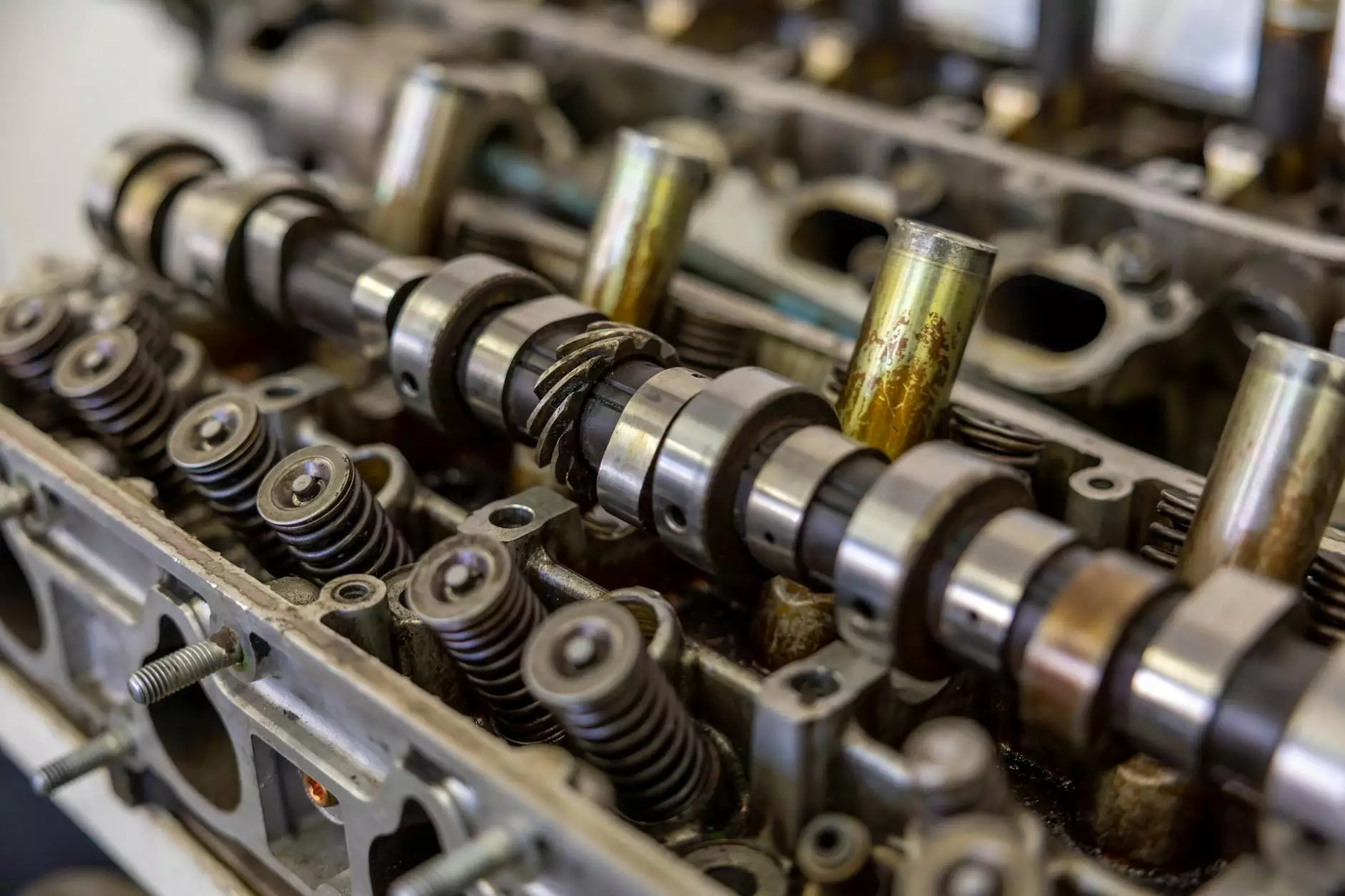
When it comes to the intricate components of modern vehicles, the valve body of an automatic transmission stands out as a critical element that facilitates smooth driving experiences. This article delves deeply into the significance, functionality, and maintenance of the valve body, offering valuable insights to automotive enthusiasts, mechanics, and vehicle owners alike.
Understanding the Valve Body
The valve body is often described as the heart of an automatic transmission system. It serves as a centralized hub where various hydraulic functions are meticulously managed for optimal performance. In essence, the valve body directs hydraulic fluid to the appropriate clutches and bands, enabling gear changes seamlessly as driving conditions fluctuate.
Components of the Valve Body
A typical valve body consists of several components, each playing a pivotal role in the automatic transmission's operation:
- Solenoids: Electrically actuated devices that control the flow of transmission fluid.
- Valves: Mechanisms that direct fluid to different parts of the transmission based on the vehicle's speed and load.
- Passages: Channels through which hydraulic fluid travels.
- Gaskets and Seals: Ensure that the fluid does not leak and maintains proper pressure within the system.
- Check Balls: Prevent fluid from flowing in reverse, maintaining the necessary hydraulic pressure for transmission operation.
How the Valve Body Works
To appreciate the significance of the valve body, it is essential to understand its working mechanism. The valve body's operation can be broken down into several key functions:
1. Fluid Distribution
The valve body uses a network of valves to distribute hydraulic fluid to various components within the automatic transmission. Each valve corresponds to a specific gear or function, ensuring that the correct amount of fluid is sent where it is needed most. This precise control is critical for maintaining the smooth operation of the transmission.
2. Gear Change Control
During acceleration, the valve body monitors various inputs, such as throttle position and vehicle speed, to determine when to shift gears. When the appropriate conditions are met, the valve body will route hydraulic fluid to the correct clutches and bands, engaging the necessary gears efficiently.
3. Pressure Regulation
Maintaining the right hydraulic pressure is crucial for the longevity and performance of an automatic transmission. The valve body has built-in mechanisms to regulate pressure, ensuring consistent operation and preventing damage from excessive pressure buildup.
Signs of a Failing Valve Body
Understanding the warning signs of a failing valve body can save vehicle owners from costly repairs. Here are some common symptoms:
- Slipping Gears: The transmission may slip from one gear to another, indicating that the valve body is not directing fluid properly.
- Delayed Engagement: A noticeable delay when shifting gears can signal issues with the valve body's hydraulic functions.
- Unusual Noises: Grinding or clunking noises during gear shifts might suggest that the valve body is malfunctioning.
- Fluid Leaks: If you notice transmission fluid leaking, it may indicate worn seals within the valve body.
- Check Engine Light: An illuminated check engine light can be an indication of transmission trouble related to the valve body.
Maintaining Your Valve Body
Proper maintenance of the valve body is essential for ensuring the longevity and high performance of your automatic transmission. Here are some maintenance tips:
1. Regular Fluid Changes
Automatic transmission fluid (ATF) degrades over time. Regularly changing the fluid helps maintain optimal performance and prevents clogging of the valve body passages.
2. Check for Leaks
Inspect your vehicle for any signs of transmission fluid leaks. Addressing leaks promptly can prevent extensive damage to the valve body and transmission system.
3. Clean or Replace Filters
Transmission filters trap contaminants that can cause wear and tear on internal components, including the valve body. Regular cleaning or replacement of these filters is essential for maintaining fluid cleanliness.
Replacing the Valve Body
If your valve body is beyond repair, it may need to be replaced. Here’s what you should know:
Steps to Replace the Valve Body
Replacing the valve body is a complex task that typically involves the following steps:
- Transmission Removal: The transmission must be removed from the vehicle to access the valve body.
- Disassembly: Carefully disassemble the transmission to expose the valve body, taking note of the order of components.
- Replacement: Install the new valve body, ensuring that all gaskets and seals are properly placed to prevent leaks.
- Reassembly: Reassemble the transmission, following the manufacturer’s guidelines.
- Reinstallation: Reinstall the transmission into the vehicle and refill with the appropriate transmission fluid.
- Testing: Once reinstalled, conduct thorough tests to ensure the transmission operates smoothly and correctly.
The Role of Technology in Valve Body Development
With the advent of smart technologies and advancements in automotive engineering, the design and functionality of the valve body have evolved significantly. Modern vehicles often feature:
- Electronic Control Units (ECUs): These units enhance coordination between the valve body and other engine components for improved performance.
- Adaptive Transmission Logic: Some modern transmissions can learn driving habits and adjust shifting patterns accordingly.
- Improved Materials: The use of advanced materials for valve bodies has increased durability and reduced wear, improving overall transmission life.
Future Trends in Valve Body Design
The future of the valve body and automatic transmission technology is promising, with several trends emerging:
- Integration with Hybrid and Electric Vehicles: As the auto industry shifts towards greener technologies, valve bodies will be adapted for hybrid and fully electric drivetrains.
- Enhanced Diagnostic Capabilities: Future valve bodies may incorporate advanced sensors that provide real-time data on performance, warning of potential issues before they require extensive repairs.
- 3D Printing Technology: This innovation may soon allow for customized valve body components, enhancing repair options and reducing production costs.
Conclusion
In conclusion, the valve body of an automatic transmission is a fundamental component that plays an instrumental role in the overall operation of vehicles. Understanding its mechanics, recognizing potential issues, and maintaining it properly can significantly enhance vehicle performance and reliability. Whether you are a technician, a car enthusiast, or a vehicle owner, appreciating the valve body's complexities can lead to better decision-making regarding automotive care and maintenance.
At Shenghai Auto Parts, we strive to provide the best auto parts and supplies for various vehicle needs. By prioritizing quality and performance, we ensure that our customers can enjoy a seamless driving experience, powered by properly functioning components such as the valve body in their automatic transmissions.