Leisure VR Business Ideas: Unlocking the Future of Entertainment
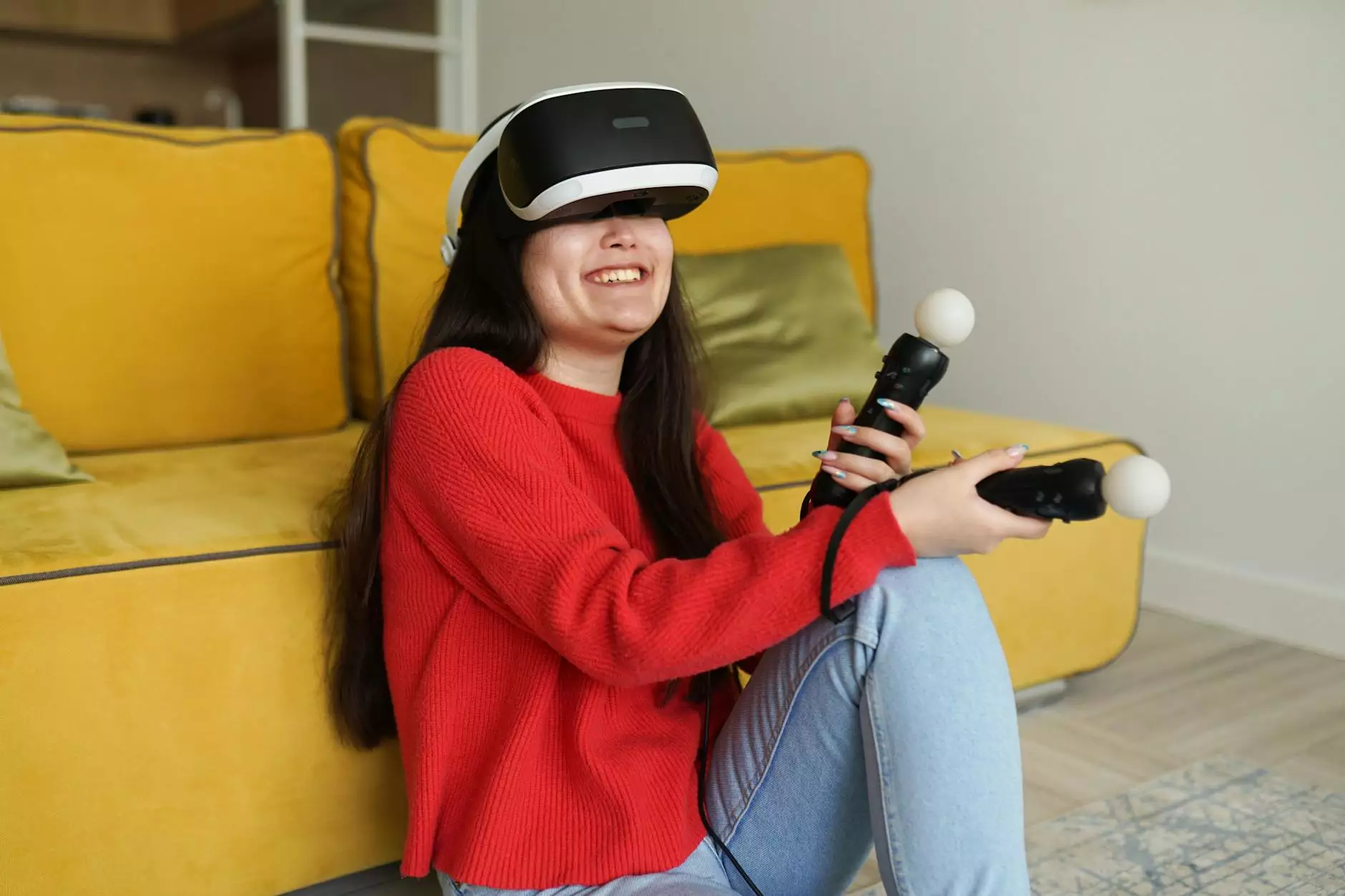
In the rapidly evolving realm of technology, Virtual Reality (VR) stands out as a game-changing phenomenon that is altering how we experience leisure, education, and entertainment. With the advent of affordable VR headsets and a growing consumer interest, launching a business in the Leisure VR space is not only an intriguing idea but a lucrative opportunity ripe for exploration. This article delves into various innovative leisure VR business ideas, shedding light on how entrepreneurs can harness this technology to revolutionize experiences and drive profitability.
The Rising Appeal of Virtual Reality in Leisure
The rise of VR technology has been meteoric, fueled by advancements in software and hardware. According to industry reports, the global VR market is expected to reach billions in revenue, highlighting the potential for entertainment-related businesses. Individuals are increasingly seeking immersive experiences, whether it's through gaming, educational simulations, or virtual travel experiences. Here are key factors contributing to the demand for leisure VR:
- Immersive Experiences: Unlike traditional media, VR engages multiple senses, creating a captivating environment for users.
- Social Interactions: VR platforms enable users to interact with others in virtual spaces, reinforcing social bonds.
- Accessibility: With more affordable technology entering the market, VR experiences are increasingly accessible to the average consumer.
- Diverse Applications: The adaptability of VR technology opens doors in various sectors, such as gaming, education, tourism, and therapy.
Profitable Leisure VR Business Ideas
1. Virtual Reality Gaming Arcades
As gaming continues to be a popular leisure activity, a VR gaming arcade can be a smashing success. These arcades allow customers to experience high-end VR games that they may not have access to at home. Business aspects include:
- Equipment Rental: Invest in high-quality gaming setups and offer hourly rentals to customers.
- Diverse Game Library: Curate a collection of games catering to various interests, from action-adventure to puzzle-solving.
- Membership Packages: Create loyalty programs offering discounted rates for regular patrons.
2. Educational VR Centers
Educational institutions are increasingly adopting VR technology to provide enriching, hands-on learning experiences. Establishing an Educational VR Center can serve schools and organizations by offering:
- Curriculum-Based Experiences: Develop programs that align with educational standards, allowing students to explore subjects in a 3D environment.
- Workshops and Training: Partner with local schools to offer workshops where teachers can learn how to integrate VR into their classrooms.
- Custom Solutions: Provide bespoke VR modules tailored to specific educational needs.
3. Virtual Reality Escape Rooms
Escape rooms are all the rage, and VR adds an exciting twist. A VR escape room can attract a wide audience by offering:
- Themes and Storylines: Create immersive narratives that transport players to different worlds and situations.
- Multiplayer Experiences: Allow groups of friends or family to collaborate and solve puzzles in a shared virtual space.
- Seasonal Events: Introduce new themes regularly to keep the offering fresh and encourage repeat visits.
4. Virtual Travel Experiences
With the world becoming more connected, virtual travel experiences can satisfy wanderlust without leaving the home. Ideas for a virtual travel business include:
- Guided Virtual Tours: Develop immersive experiences taking users through famous landmarks and hidden gems with a virtual tour guide.
- Cultural Experiences: Introduce users to various cultures through interactive lessons and virtual interactions with locals.
- Adventure Experiences: Excite users with options that include virtual skydiving, scuba diving, and other adrenaline-pumping activities.
5. VR Fitness Programs
One of the latest trends in health and wellness is VR fitness. Integrating gaming into exercise routines offers a fun alternative to traditional workouts. Business opportunities include:
- Group Classes: Offer VR workout sessions that allow participants to engage and compete with each other.
- Bespoke Fitness Programs: Create personalized fitness plans utilizing VR technology to monitor progress and provide feedback.
- Partnerships with Gyms: Collaborate with fitness centers to integrate VR workout technology into their offerings.
6. VR Content Creation and Development
As the demand for VR experiences increases, so does the need for high-quality content. Start a business that specializes in:
- Game Development: Create engaging VR games targeting different demographics.
- 360-Degree Video Production: Produce immersive videos for education, tourism, or marketing.
- Interactive Storytelling: Develop narrative-driven experiences that captivate audiences.
Key Considerations for Starting a Leisure VR Business
While the opportunities within the Leisure VR market are vast, several considerations should be kept in mind to succeed:
Market Research
Understand your target audience and assess the competitive landscape. Determine what niche within the Leisure VR market you can fill effectively.
Investment and Budgeting
Decide on the level of investment required for equipment, software, and marketing. Create a solid budget plan that accommodates all operational costs.
Location and Accessibility
If you're opening a physical location, choose an area with high foot traffic and accessibility. Ensure that your VR setups are easy to use and cater to customers of all ages.
Marketing Strategy
Utilize social media, SEO-optimized content, and local advertising to draw customers to your busines. Highlight customer testimonials and success stories to build credibility.
Embracing Innovation in the Leisure VR Sector
The Leisure VR sector is continuously evolving, and staying ahead of trends is vital. Entrepreneurs must remain adaptable to emerging technologies such as:
- Advancements in VR Hardware: Keep an eye on new headsets and accessories to enhance user experience.
- AI Integration: Explore how artificial intelligence can personalize user experiences in VR.
- Cross-Platform Solutions: Enable users to access content across various devices and platforms for enhanced flexibility.
Conclusion: The Future is VR
The possibilities in the Leisure VR sector are limited only by imagination. By embracing innovation, establishing unique offerings, and delivering exceptional experiences, aspiring entrepreneurs can tap into this thriving market. Whether launching a VR arcade, developing educational content, or creating immersive travel experiences, the time to explore leisure VR business ideas is now. Dive into this fantastic world of opportunity, and watch as your vision transforms into a successful reality. The future of entertainment awaits!