The Definitive Guide to Choosing the Best Wood Pellet Suppliers
In today's environmentally conscious world, the demand for renewable energy sources like wood pellets continues to grow. As a result, the search for reliable wood pellet suppliers is more critical than ever. This comprehensive guide will delve into the essentials of finding quality suppliers, the benefits of using wood pellets, and insights into purchasing timber in bulk. Whether you're a business owner or a homeowner interested in sustainable energy solutions, this information is tailored for you.
Understanding Wood Pellets
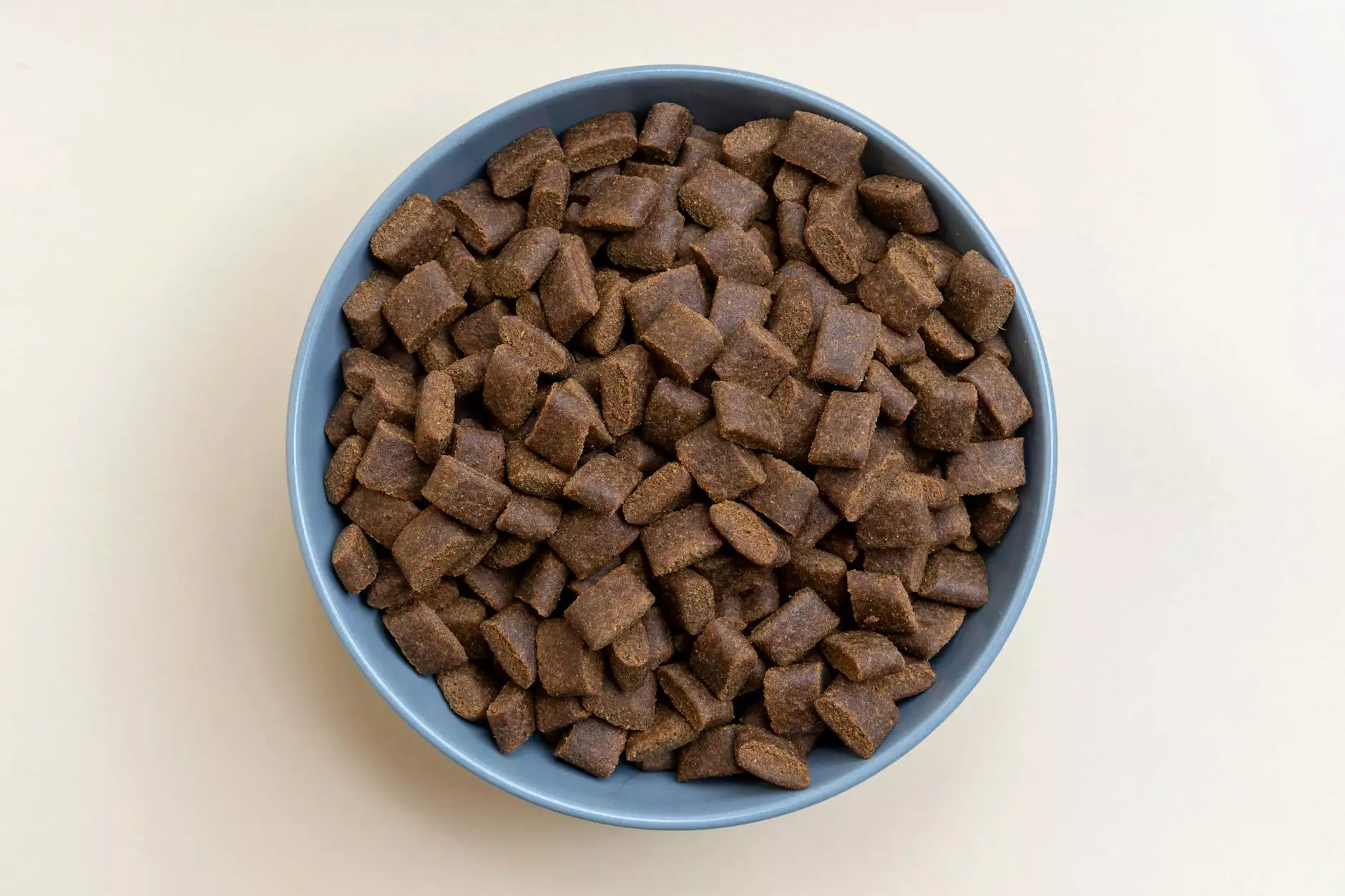
Wood pellets are small cylindrical pieces of compressed wood fiber. They are primarily used for fuel in heating appliances, industrial boilers, and power plants, making them a popular choice for renewable energy. Below are some key features of wood pellets:
- High Energy Density: Wood pellets produce a significant amount of energy relative to their size, making them efficient for heating.
- Low Moisture Content: With moisture levels typically between 4-10%, wood pellets burn more efficiently than traditional firewood.
- Environmentally Friendly: Sourced from sustainable forests and production practices that minimize waste.
- Ease of Use: They can be easily transported, stored, and used in various applications.
Why Choose Wood Pellets for Your Business?
As businesses become increasingly aware of their carbon footprint, choosing wood pellets has become a strategic move for sustainability. Here are some of the key benefits that wood pellets offer:
1. Cost-Effectiveness
Wood pellets are often more affordable than fossil fuels, reducing operating costs for businesses that rely on heating or energy production. When purchasing in bulk from quality wood pellet suppliers, businesses can capitalize on further discounts.
2. Sustainability
With a growing emphasis on corporate sustainability, using wood pellets aligns with environmental goals. When sourced from certified suppliers, these pellets can significantly lower a business's carbon footprint.
3. Energy Independence
Using wood pellets decreases reliance on imported fuels, enabling businesses to maintain energy independence, which is increasingly important in a fluctuating energy market.
Choosing the Right Wood Pellet Suppliers
Selecting the right supplier is crucial for ensuring the quality and reliability of your wood pellets. Here are some factors to consider when evaluating potential wood pellet suppliers:
1. Quality of Products
Always ask for information about the pellet quality, including the materials used in production, moisture content, and ash content. Quality wood pellets should have:
- A uniform size (typically 6-8mm in diameter)
- Low moisture content for optimal burning
- Low levels of ash residue
2. Certifications and Standards
Look for suppliers who comply with recognized industry standards, such as:
- ENplus Certification: Ensures high-quality wood pellets.
- ISO Certification: Indicates that the supplier adheres to international quality management standards.
3. Customer Reviews and Reputation
Research the supplier’s reputation in the industry. Online reviews, testimonials, and case studies can provide insight into their reliability and customer service.
4. Supply Chain Transparency
Understanding how and where the wood pellets are sourced is critical. Suppliers that provide transparency in their supply chain can be more trusted to provide high-quality products.
Buying Timber in Bulk: A Smart Investment
In addition to sourcing wood pellets, many businesses also require timber for construction and manufacturing. Buying timber in bulk can yield significant advantages:
1. Cost Savings
Purchasing timber in bulk often comes with discounts, enabling businesses to reduce their overhead costs.
2. Consistency
When sourced from reputable wood suppliers, businesses can ensure a consistent supply of materials, which is essential for production planning.
3. Quality Assurance
Bulk purchases allow for easier inspection and certainty that the materials meet the necessary specifications and quality standards.
How to Assess the Cost of Wood Pellets
The price of wood pellets can vary significantly based on various factors such as material type, supplier location, and market demand. Here are some critical considerations:
1. Material Costs
The type of wood used in pellet production (hardwood vs. softwood) greatly affects the price. Hardwoods generally produce higher quality pellets but can be more costly.
2. Transportation Costs
Consider where the supplier is located in relation to your own location. Higher transportation costs can eat into savings from low pellet prices.
3. Market Fluctuations
Like any commodity, the price of wood pellets can fluctuate based on seasonal demand and supply chain factors. Stay informed about market trends to make smarter purchasing decisions.
Conclusion: Empower Your Business with Quality Wood Pellets
In conclusion, working with the right wood pellet suppliers not only supports your energy needs but also aligns your business practices with sustainability goals. By understanding the factors that influence wood pellet quality and pricing, as well as the benefits of buying timber in bulk, you can make informed decisions that help your business thrive in an increasingly eco-conscious marketplace.
Check out eksidtechug.com for more information on sourcing the best wood pellets and timber for your business needs. Our commitment to quality and sustainability ensures that you are getting the best products in the market.