Discover the Rare Eclectus Parrot: A Guide for Enthusiasts and Breeders

In the vibrant realm of aviculture, few birds captivate the heart quite like the rare eclectus parrot. With their stunning plumage, remarkable intelligence, and gentle demeanor, these parrots have earned a special place in the hearts of pet lovers and breeders alike. In this guide, we will explore everything you need to know about the rare eclectus parrot, from its natural habitat to its care requirements, ensuring you have all the knowledge you need to nurture your feathered friend.
Understanding the Rare Eclectus Parrot
The eclectus parrot is renowned for its striking sexual dimorphism; the males sport a vibrant green hue, while females showcase a stunning combination of red and purple. This unique coloration is just one of the many reasons bird lovers are drawn to them. Native to the tropical forests of New Guinea, the Solomon Islands, and surrounding areas, these parrots thrive in rich, biodiverse environments.
Physical Characteristics
One of the most remarkable features of the rare eclectus parrot is its size and build. Adult eclectus parrots typically measure between 12 to 14 inches in length, with a weight range of approximately 300 to 400 grams. Their beaks are strong and hooked, designed to crack open seeds and nuts.
- Male Eclectus: Bright green feathers with a striking orange underwing and a deep blue mantle. Their facial feathers are also bright green.
- Female Eclectus: Beautifully adorned with vibrant red and purple feathers, complemented by a black beak.
Natural Habitat
In the wild, the rare eclectus parrot is commonly found in rainforests, where they feed on fruits, seeds, and nuts. They are highly social birds, often forming flocks that enhance their playful and active nature. Understanding their natural habitat helps potential owners to recreate a suitable environment for these intelligent birds.
Why Choose a Rare Eclectus Parrot as a Pet?
Choosing a pet bird can be a significant decision, and the rare eclectus parrot offers unique advantages that make them ideal companions.
Intelligence and Trainability
Eclectus parrots are highly intelligent, making them relatively easy to train. They can learn a variety of tricks and even mimic human speech with impressive clarity. Their intelligence, coupled with their natural curiosity, ensures that they require mental stimulation through toys, puzzles, and interactive play.
Gentle and Affectionate Nature
Unlike some other parrot species known for their aggressive tendencies, the rare eclectus parrot is generally gentle and affectionate. They tend to bond closely with their owners and thrive on social interaction. This bond makes them incredibly rewarding companions, especially for families and individuals who can dedicate time to their care.
Low Noise Levels
While many parrot species are known for their loud vocalizations, the rare eclectus parrot is relatively quiet. This characteristic makes them suitable for apartment living or homes where noise can be a concern.
Care Requirements for Your Rare Eclectus Parrot
Caring for a rare eclectus parrot involves meeting their physical and psychological needs, ensuring they thrive as vibrant, healthy companions.
Nutritional Needs
A balanced diet is critical for the health of your eclectus parrot. Their diet should primarily consist of:
- Fresh Fruits and Vegetables: Provide a variety of organic fruits like apples, berries, and vegetables such as carrots and leafy greens.
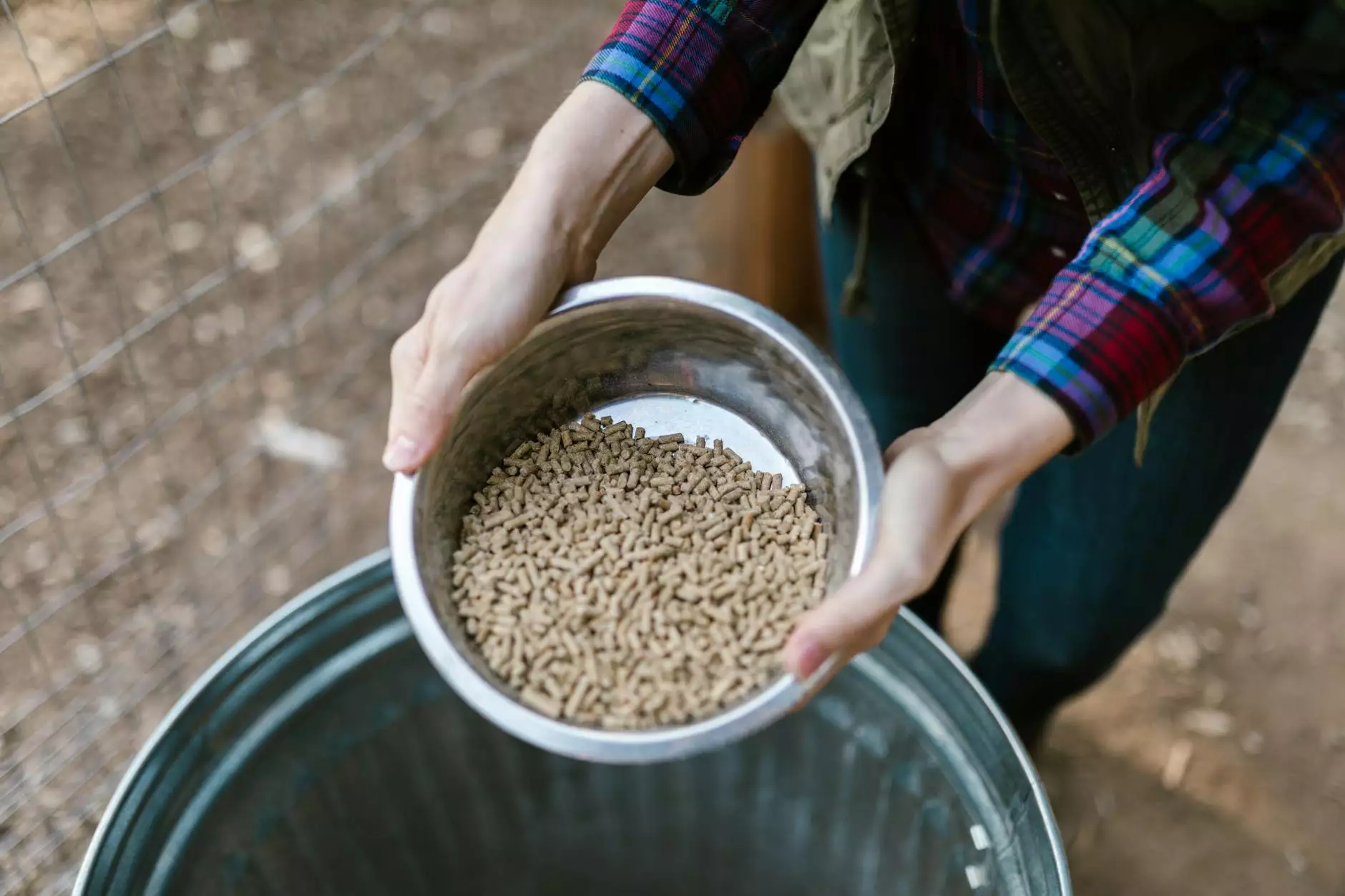
- High-Quality Pellets: Offer specially formulated pellets that meet their nutritional requirements.
- Seeds and Nuts: Use seeds and nuts as occasional treats, but avoid high-fat nuts like peanuts in excess.
Housing Requirements
Creating a safe and stimulating environment for your parrot is essential.
- Cage Size: Ensure your cage is large enough for them to spread their wings comfortably, ideally a cage measuring at least 24" x 24" x 36".
- Perches: Provide a variety of perches made from different materials and sizes to keep their feet healthy.
- Toys: Regularly rotate their toys to keep their environment stimulating and prevent boredom.
Social Interaction and Enrichment
Due to their social nature, rare eclectus parrots require daily interaction with their owners. Engaging them in playtime, training sessions, and socialization will help meet their emotional needs.
Training Your Rare Eclectus Parrot
Training your eclectus parrot can be a rewarding experience, both for you and your bird. Here are some effective training methods:
- Positive Reinforcement: Use treats and praise to encourage good behavior and to teach commands.
- Consistency: Maintain consistent commands and routines to help your parrot learn effectively.
- Patience: Training takes time and patience—avoid frustration and celebrate small victories.
Common Health Issues in Rare Eclectus Parrots
Like any pet, rare eclectus parrots can face health issues. Being aware of common conditions can help you ensure they lead a healthy life.
- Obesity: A common issue due to improper diet—ensure a balanced meal plan with limited high-calorie treats.
- Feather Plucking: This behavioral issue can arise from boredom or stress—provide ample stimulation and interaction.
- Respiratory Issues: Ensure good air quality in their environment, as parrots are sensitive to airborne irritants.
Finding a Rare Eclectus Parrot
When looking to welcome a rare eclectus parrot into your home, consider these tips:
- Reputable Breeders: Research and connect with reputable breeders or avian rescue organizations.
- Health Checks: Always request health records and conduct a vet check upon acquiring your bird.
- Commitment to Care: Ensure you have the time and resources to dedicate to the care of your parrot.
Conclusion: Embracing the Joy of Owning a Rare Eclectus Parrot
Owning a rare eclectus parrot can be one of the most fulfilling experiences for an avian enthusiast. With their stunning beauty, intelligence, and affectionate nature, these parrots promise both joy and companionship. By understanding their needs and creating a nurturing environment, you can provide the perfect home for your feathered friend. Visit rareexoticbirds.com.au for more information on pet care and to explore more about these magnificent creatures.