The Importance of **Industrial Model Makers** in Modern Business
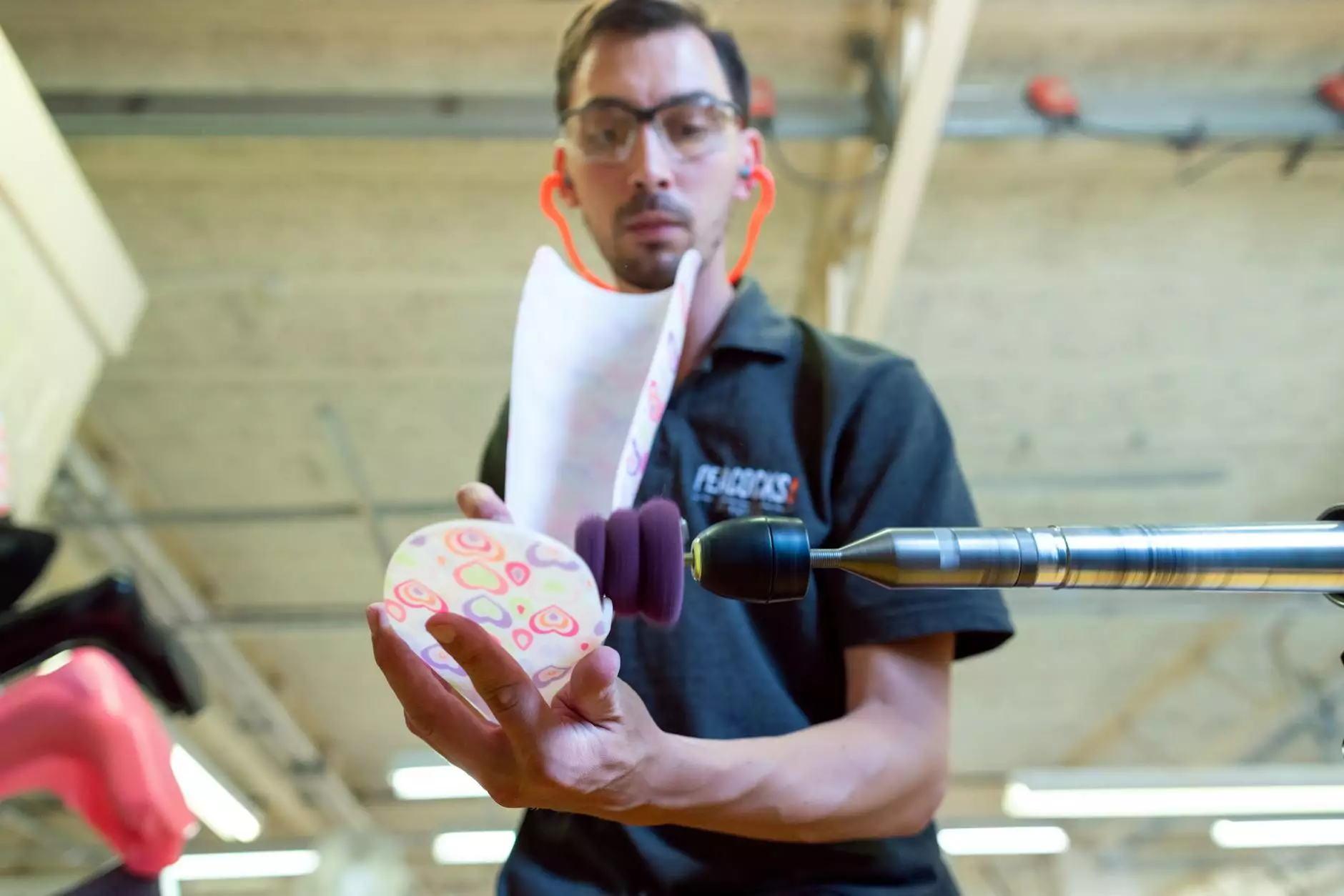
In today's competitive marketplace, the role of industrial model makers has become increasingly pivotal, especially within the field of architecture. These skilled artisans and technicians are not just responsible for producing models; they are integral partners in the design and development process. Their work enhances communication, aids visualization, and significantly influences project success.
What are Industrial Model Makers?
The term "industrial model makers" refers to professionals specialized in crafting detailed three-dimensional representations of products, buildings, or environments. They utilize various materials and techniques to create models that range from scaled architectural projects to prototypes of consumer products. These models play a vital role in understanding spatial relationships and designs before they are brought to life.
Why are Models Important in Architecture?
Models in architecture serve several fundamental purposes:
- Visualization: They provide a tangible representation of complex designs, helping clients and stakeholders visualize the final outcome.
- Communication: Building models facilitate clear communication among architects, clients, and contractors, ensuring that everyone is on the same page.
- Decision-Making: Detailed models allow for informed decision-making during design development, helping to identify potential issues early on.
- Marketing: High-quality models can be used to market projects to potential investors and clients, illustrating the vision and details of the design.
The Process of Model Making
The craftsmanship involved in model making is both an art and a science. Here’s a comprehensive overview of the stages involved in the process:
1. Conceptualization
The first step involves understanding the project requirements and conceptualizing the design. This phase often includes discussions with architects and stakeholders to gather insights about the project’s goals and aesthetics.
2. Design Development
Once the concept is clear, model makers create initial sketches and digital renderings. These preliminary designs set the foundation for the model's final construction.
3. Material Selection
Choosing the right materials is crucial. Industrial model makers typically work with a variety of supplies such as:
- Wood
- Plastic
- Metal
- 3D printed materials
4. Fabrication
This is the stage where the physical model is created. Using tools like laser cutters, CNC machines, and traditional hand tools, model makers bring their designs to life. This step requires precision and attention to detail.
5. Finishing Touches
After the basic structure is complete, model makers apply finishing touches such as painting, texturing, and adding landscaping elements. These details enhance realism and appeal.
6. Final Review
Finally, the completed model is reviewed with the project team to ensure it meets the specified criteria and expectations. Revisions may occur based on feedback received during this phase.
Benefits of Collaboration with Industrial Model Makers
For architects and businesses, collaborating with professional industrial model makers provides numerous advantages:
- Expertise: Model makers bring a wealth of knowledge and experience to the table, ensuring high-quality output.
- Cost-Effectiveness: Investing in a quality model can save costs related to design changes and construction errors later in the project.
- Time Efficiency: A well-built model can streamline the decision-making process, reducing delays in project approval.
- Enhanced Client Satisfaction: Clients appreciate understanding and visualizing their projects, leading to increased satisfaction and fewer misunderstandings.
Case Studies: Success Stories Involving Industrial Model Makers
Let’s explore some real-world examples where industrial model makers had a significant impact:
Case Study 1: A Sustainable Urban Development Project
In an urban development project aimed at promoting sustainability, an architectural firm collaborated with industrial model makers to create a series of scale models representing different design variations. These models showcased various environmental features, such as green roofs and solar panel integration. The ability to physically analyze these elements helped stakeholders choose the most viable option, substantially impacting the project’s acceptance and success.
Case Study 2: Museum Exhibit Planning
A prominent museum sought to redesign its exhibit layout to enhance visitor experience. By engaging industrial model makers, the museum was able to visualize the new layout through a series of accurate models. This approach allowed curators to identify flow issues and optimize space, leading to a more engaging exhibit design.
Case Study 3: Commercial High-Rise Development
In a commercial high-rise development, 3D models created by industrial model makers played a crucial role during investor presentations. The models effectively communicated the scale and design intent of the building, helping secure funding and support from stakeholders. This collaboration demonstrated the significant value of high-quality visual communication in the world of architecture.
Technological Advancements in Model Making
The field of model making has evolved considerably, thanks to technological advancements. Some of the most important innovations include:
3D Printing
This technology has revolutionized the way models are made. Industrial model makers can now produce intricate and precise models much faster than traditional methods allow. 3D printing enables rapid prototyping, where multiple design iterations can be tested quickly, ultimately leading to better final products.
Digital Modeling Software
Software such as AutoCAD, Rhino, and SketchUp has transformed the design process, making it easier for model makers to create digital representations before moving to physical construction. This enables better visualization and adjustment of designs in the early stages.
Virtual and Augmented Reality
Emerging technologies like virtual and augmented reality are beginning to play a role in model making, allowing stakeholders to interact with designs in a more immersive way. This shift not only enhances understanding but also increases engagement in the design process.
Conclusion: The Lasting Impact of Industrial Model Makers
The indispensable role of industrial model makers in architecture and business cannot be overstated. Their ability to create accurate, detailed, and visually appealing models facilitates better design communication, enhances collaboration, and ultimately leads to successful project outcomes. By leveraging modern technology and expert craftsmanship, today’s industrial model makers continue to elevate the standards of architectural design, ensuring that both form and function are realized to their fullest potential.
For architects looking to harness the full power of model making in their projects, partnering with skilled industrial model makers should be a priority. The right collaboration can profoundly impact the effectiveness of design processes, protect investment, and delight clients.
Contact Us
If you are an architect interested in enhancing your project with high-quality models, reach out to us at architectural-model.com. Let’s explore how we can bring your visions to life through the expertise of our industrial model makers.