The Indispensable Role of Street Cleaners in Urban Planning
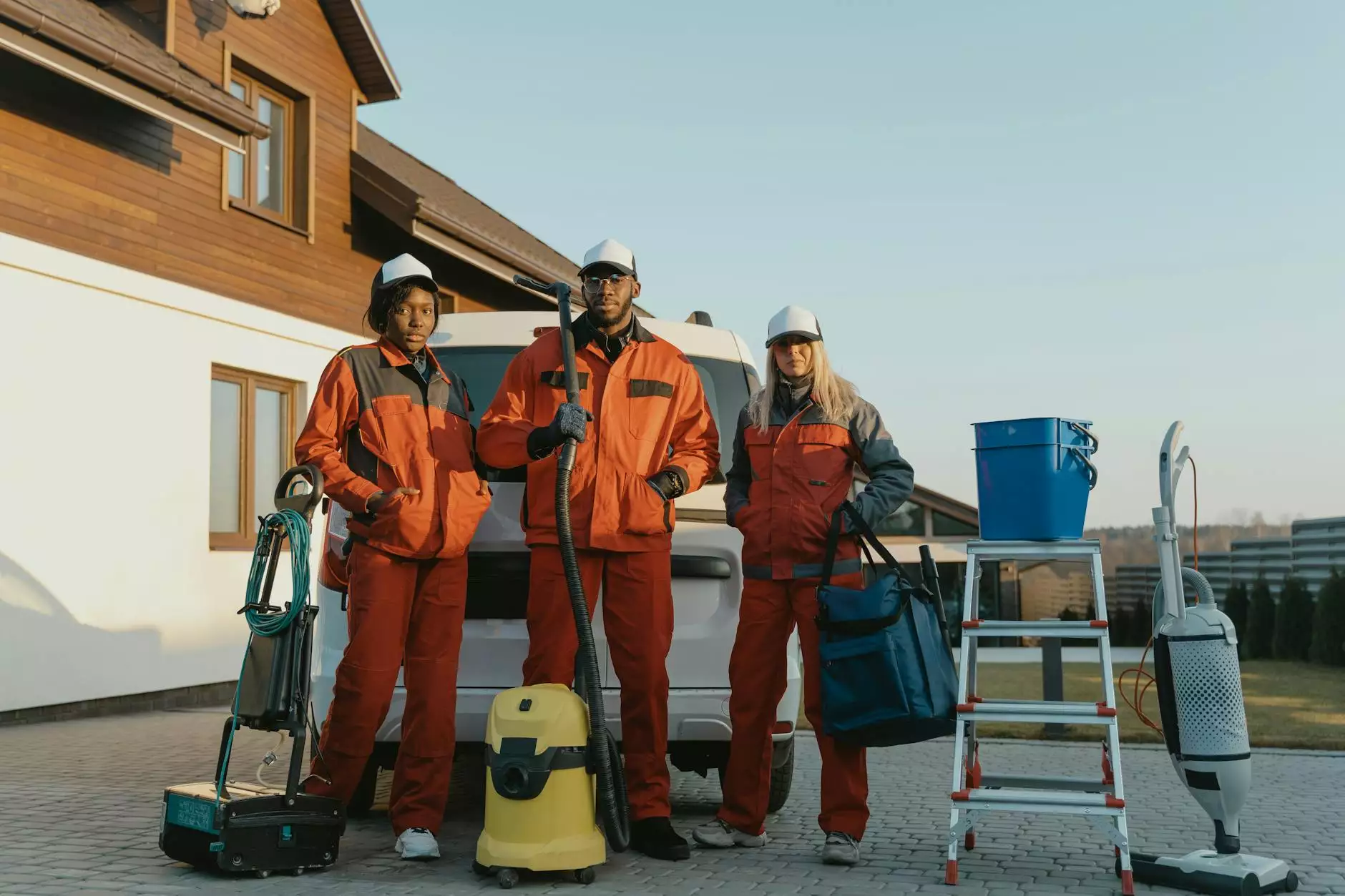
Street cleaning is an essential component of urban management. As cities expand and the population grows, the demand for clean public spaces has never been higher. Street cleaners, the unsung heroes of urban maintenance, play a crucial role in ensuring that our streets are not only clean but also safe and pleasant for all who use them. In this article, we will explore the significance of street cleaners, highlighting their contributions to urban environments, public health, and sustainability.
The Importance of Street Cleaning
Street cleaning involves removing debris, litter, and other waste from urban streets. This process goes beyond just aesthetics; it has profound implications for community health and well-being. Here are some key reasons why street cleaning is vital:
- Public Health: Accumulated litter can attract pests, including rodents and insects, which can spread diseases. Regular street cleaning mitigates these health risks.
- Environmental Protection: Debris often ends up in storm drains, leading to pollution in waterways. Street cleaners help prevent this by ensuring that waste is appropriately disposed of.
- Aesthetic Appeal: Clean streets enhance the overall appearance of a city. This can attract tourists and potential residents, boosting the local economy.
- Community Pride: Well-maintained streets foster a sense of pride among residents, encouraging them to engage more actively in community improvement efforts.
The Evolution of Street Cleaning Technologies
As cities have evolved, so too have the methods used for street cleaning. In the past, manual labor was the primary method for keeping streets tidy. However, with advancements in technology, the industry has seen a revolution in how cleaning is performed. Here are some innovations that have changed the street cleaning landscape:
1. Mechanical Street Sweepers
Mechanical street sweepers have become commonplace in urban cleaning. These machines are designed to remove debris from roads quickly and efficiently. They come equipped with features such as:
- Vacuum Systems: Efficiently suck up dirt and litter.
- Broom Systems: Sweep debris into a collection tank.
- Water Spraying: Minimize dust and improve cleaning efficiency.
2. Eco-Friendly Options
With an increasing focus on sustainability, many cities are now adopting eco-friendly street cleaners. These machines use less fuel and produce lower emissions, contributing to a cleaner environment. Some modern eco-friendly features include:
- Electric Sweepers: Battery-powered machines that reduce carbon footprints.
- Bio-Degradable Cleaning Solutions: Safe for the environment and effective in cleaning.
- Recycling Programs: Collecting recyclable materials during street cleaning operations.
3. Integrated Smart Technologies
The rise of smart cities has led to the integration of technology in street cleaning. Advanced features include:
- GPS Tracking: Allowing for optimized routes and efficient cleaning schedules.
- Real-Time Monitoring: Sensors that detect cleanliness levels and report maintenance needs.
- Data Analytics: Utilizing data to improve cleaning operations and resource allocation.
Challenges in Street Cleaning
Despite the advances in technology and methods, street cleaning is not without its challenges. Here are some of the most pressing issues faced by street cleaning services:
- Budget Constraints: Many municipalities struggle with limited budgets, impacting the frequency and scope of street cleaning services.
- Public Awareness: Effective street cleaning relies on community involvement and awareness of the importance of maintaining clean streets.
- Weather Conditions: Adverse weather can hinder street cleaning efforts, leading to temporary accumulation of litter.
The Economic Impact of Street Cleaning
Maintaining clean streets is not just about hygiene and aesthetics; it also has significant economic implications. Here’s how street cleaners contribute to the economy:
- Attracting Businesses: Clean and appealing areas are more likely to draw businesses, contributing to economic growth.
- Boosting Property Values: Neighborhoods with regular street cleaning often see higher property values, benefiting homeowners and investors.
- Job Creation: The street cleaning industry provides jobs, contributing to local economies and communities.
Case Studies on Successful Street Cleaning Initiatives
Several cities around the globe have implemented successful street cleaning initiatives that serve as models for others. Here are a few notable examples:
1. San Francisco, California
San Francisco has been a leader in sustainable urban cleaning practices. The city has implemented a robust street cleaning program that emphasizes recycling and environmental protection. Their methods include the use of electric street sweepers and extensive community engagement programs.
2. Melbourne, Australia
Melbourne's street cleaning services utilize advanced technology, including automated sweepers equipped with GPS tracking. This approach has allowed for more efficient cleaning routes, minimizing the time and resources used in street maintenance.
3. Tokyo, Japan
Tokyo is famous for its cleanliness, and the city's street cleaning initiatives play a significant role in this reputation. The use of pedal-powered street sweepers in public parks and high pedestrian areas exemplifies Tokyo’s commitment to cleanliness and sustainability.
Community Involvement in Street Cleaning
Community involvement is crucial for maintaining clean streets. Here are some strategies to encourage residents to participate actively in street cleaning efforts:
- Awareness Campaigns: Educating the public about the benefits of clean streets encourages participation.
- Volunteer Programs: Organizing community clean-up days can foster a sense of pride and ownership of public spaces.
- Reward Systems: Providing incentives for neighborhoods that maintain cleanliness can motivate residents to engage in street cleaning initiatives.
Looking Ahead: The Future of Street Cleaning
The future of street cleaning is bright, with continuous improvements in technology and community engagement. As cities continue to grow, the role of street cleaners will become even more vital. Here are some trends to watch for:
- Increased Automation: Automated street cleaners may become more prevalent, improving efficiency and reducing labor costs.
- Collaboration with Tech Companies: Partnerships with technology firms may lead to innovative solutions in street cleaning logistics.
- Focus on Resilience: Future street cleaning initiatives will likely prioritize adaptability to climate change and urban growth challenges.
Conclusion
In conclusion, street cleaners are an integral part of urban life, significantly impacting public health, the environment, and the economy. As cities strive for better sustainability practices and cleaner communities, the importance of street cleaning will only increase. Whether through advanced technologies, community involvement, or innovative strategies, the future of street cleaning looks promising. By recognizing and supporting the vital work of street cleaners, we can all contribute to making our urban environments cleaner, safer, and more enjoyable.