Understanding Counterfeit Money: Types, Risks, and Prevention
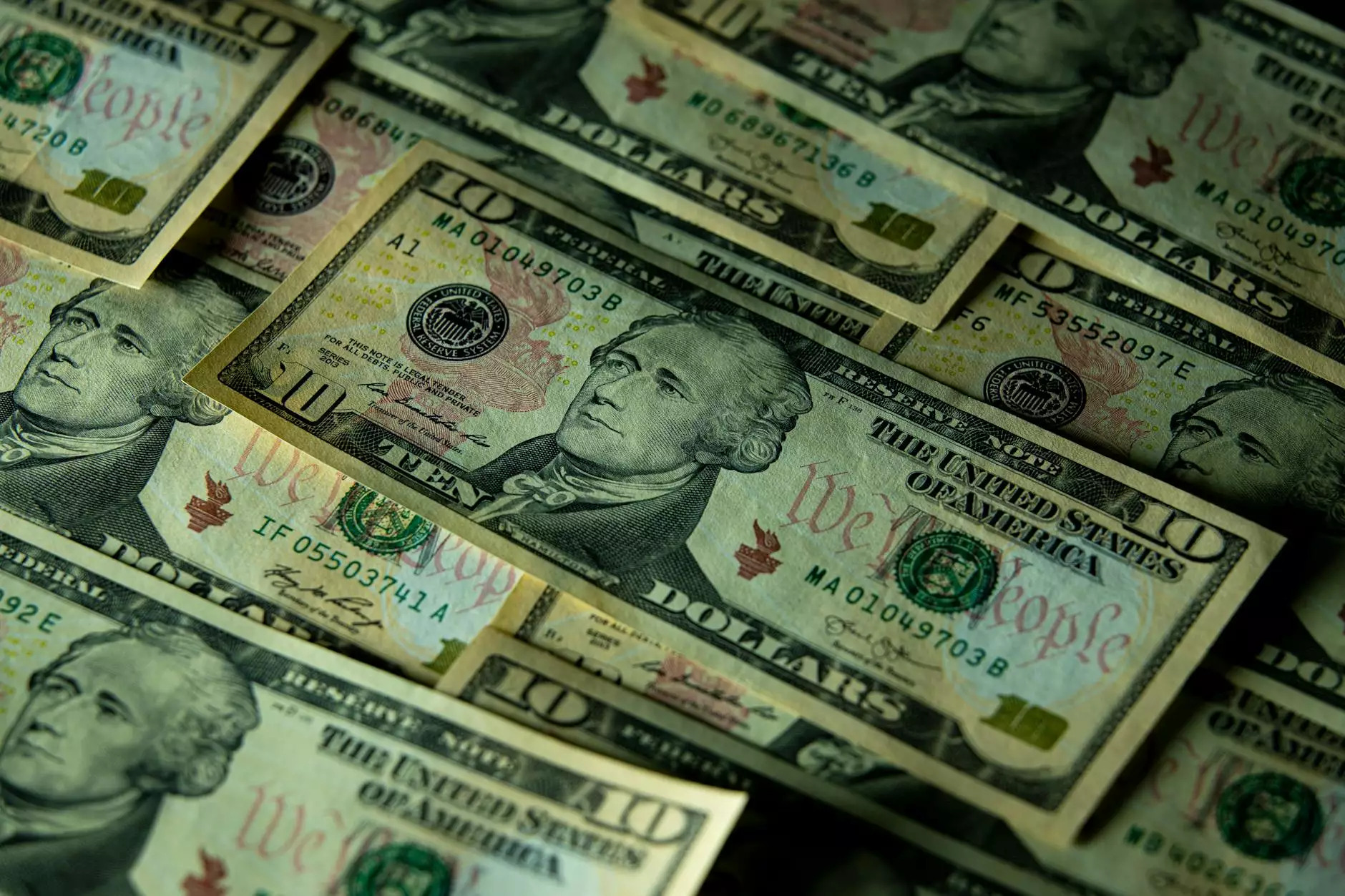
In today's bustling economy, the integrity of currency is paramount. The term "counterfeit money" refers to imitation currency produced without the legal sanction of the issuing authority and with the intention to deceive. This article delves into the various aspects of counterfeit money, including its types, the risks it poses to businesses, and comprehensive prevention strategies. Whether you are a small business owner or a consumer, understanding the intricacies of counterfeit money is essential in safeguarding your finances.
The Various Types of Counterfeit Money
Counterfeit money comes in several forms, each with its own characteristics and potential consequences. Understanding these types can help you identify them and take action if necessary.
1. Fake Banknotes
Fake banknotes are the most common type of counterfeit currency. These notes are designed to look almost identical to real money but lack the security features that authentic banknotes possess. Common methods used to create fake banknotes include:
- Digital Printing: High-quality printers can replicate banknotes so closely that they can fool the average consumer.
- Handcrafted Notes: Some counterfeiters use sophisticated artistic methods to create realistic-looking banknotes by hand.
- Photocopying: While less common, some counterfeiters resort to photocopying genuine banknotes, which results in inferior versions that often fail to mimic the security features.
2. Counterfeit Coins
Although less prevalent than fake banknotes, counterfeit coins can still pose a significant risk, especially for businesses that deal heavily in cash transactions. Counterfeit coins may be made from cheap metals and may not bear the same weight or dimensions as authentic currency.
3. Digital Counterfeiting
Digital counterfeiting is an emerging trend in the world of deceitful currency. This involves creating digital representations of currency that can be used in online transactions. While not physical cash, this form of counterfeiting can lead to severe financial repercussions for businesses unaware of the risks.
The Impact of Counterfeit Money on Businesses
The presence of counterfeit money can have dire consequences for businesses of all sizes. Understanding these impacts is crucial for developing effective strategies to combat counterfeiting.
1. Financial Losses
When a business unwittingly accepts counterfeit money, it incurs significant financial losses. Most businesses are unable to recoup these losses, as counterfeit notes cannot be deposited or exchanged for real currency. A single counterfeit bill can erase the profits from multiple legitimate sales.
2. Damage to Reputation
Being linked to counterfeit transactions can severely harm a business's reputation. Customers may lose trust in the integrity of a business that falls victim to counterfeiting, leading to decreased foot traffic and sales.
3. Legal Consequences
Accepting counterfeit money can result in legal ramifications, particularly if a business is perceived as knowingly facilitating the use of fake currency. This could lead to fines or other legal actions against the entity.
Identifying Counterfeit Money
Identifying counterfeit money is essential. Familiarizing yourself and your employees with the signs of counterfeit currency can save a business from significant losses. Here are several methods to help identify fake banknotes:
1. Examine the Security Features
Modern banknotes come equipped with numerous security features designed to thwart counterfeiting. Here are some key features to examine:
- Watermarks: Hold the bill up to the light to see if a watermark is visible.
- Security Thread: Most genuine notes have a security thread that runs through the bill; this thread should be visible when held up to light.
- Color-Shifting Ink: Many currencies employ ink that changes color when viewed from different angles.
2. Feel the Texture
Authentic banknotes are made of special materials, giving them a distinct texture. Running your fingertips across the surface of a bill can help you identify counterfeit notes. Genuine notes typically have raised printing, while fakes may feel smooth.
3. Use Technology
Investing in currency validation tools can enhance your security measures. Devices specifically designed to detect counterfeit money can quickly validate notes with high accuracy.
Preventing Counterfeit Money Transactions
Prevention is always better than cure when it comes to counterfeit currency. As a business owner, implementing effective measures can significantly reduce the risk of accepting fake banknotes.
1. Educate Employees
Training employees on how to identify counterfeit money is one of the most effective prevention strategies. Provide them with the necessary knowledge and tools to spot counterfeit notes. Regularly update training sessions as counterfeiting techniques evolve.
2. Implement Cash Handling Procedures
Establish strict cash handling procedures within your business. Consider limiting the amount of cash transactions or using cashless options to decrease your exposure to counterfeit money.
3. Regularly Inspect Cash Receipts
Incorporate routine inspections of cash receipts. Check for discrepancies and ensure that employees are vigilant when handling cash. This can help catch any counterfeit bills before they enter your cash flow.
The Role of Technology in Combatting Counterfeiting
Advancements in technology have offered new solutions for combatting counterfeit money. Businesses can leverage different tools to enhance their security measures against counterfeit currency.
1. Anti-Counterfeiting Software
There are various software solutions available that provide real-time monitoring and fraud detection, especially for online transactions. These platforms can assist businesses in identifying suspicious activities and potential counterfeit threats quickly.
2. Currency Authentication Machines
Investing in currency authentication machines can offer businesses a reliable method for validating the authenticity of cash. These machines utilize advanced technology to analyze banknotes, ensuring they are real before accepting them.
3. Mobile Apps
Some mobile applications are equipped with features to identify counterfeit banknotes. Encourage your customers to use these apps for added security, creating a safer purchasing environment.
Conclusion
The threat of counterfeit money is a persistent issue that businesses must tackle proactively. By understanding the types of counterfeit currency, recognizing its potential impacts, and implementing effective prevention strategies, businesses can safeguard themselves against significant financial losses and reputational harm.
As technology continues to evolve, so too do the methods used by counterfeiters. Therefore, staying informed about the latest security advancements is essential. With careful attention and diligent training, businesses can create a safe and trustworthy economic environment for their customers.
Protecting your business from counterfeit money should be a top priority. By being vigilant and educated, you can ensure the longevity and credibility of your brand.